RECOVERY PLANNING GUIDE
Use this guide during early recovery planning.
A commercial kitchen shutdown affects food safety, staffing, procurement, delivery and the people who depend on the operation. Treat what size temporary kitchen after fire as a coordinated facilities project, with one owner for decisions and a written record of assumptions.
Planning priorities for this topic
- Start with meals per service period, menu, production method, storage and warewashing.
- Document available power, fuel, water, wastewater, grease handling and connection distances.
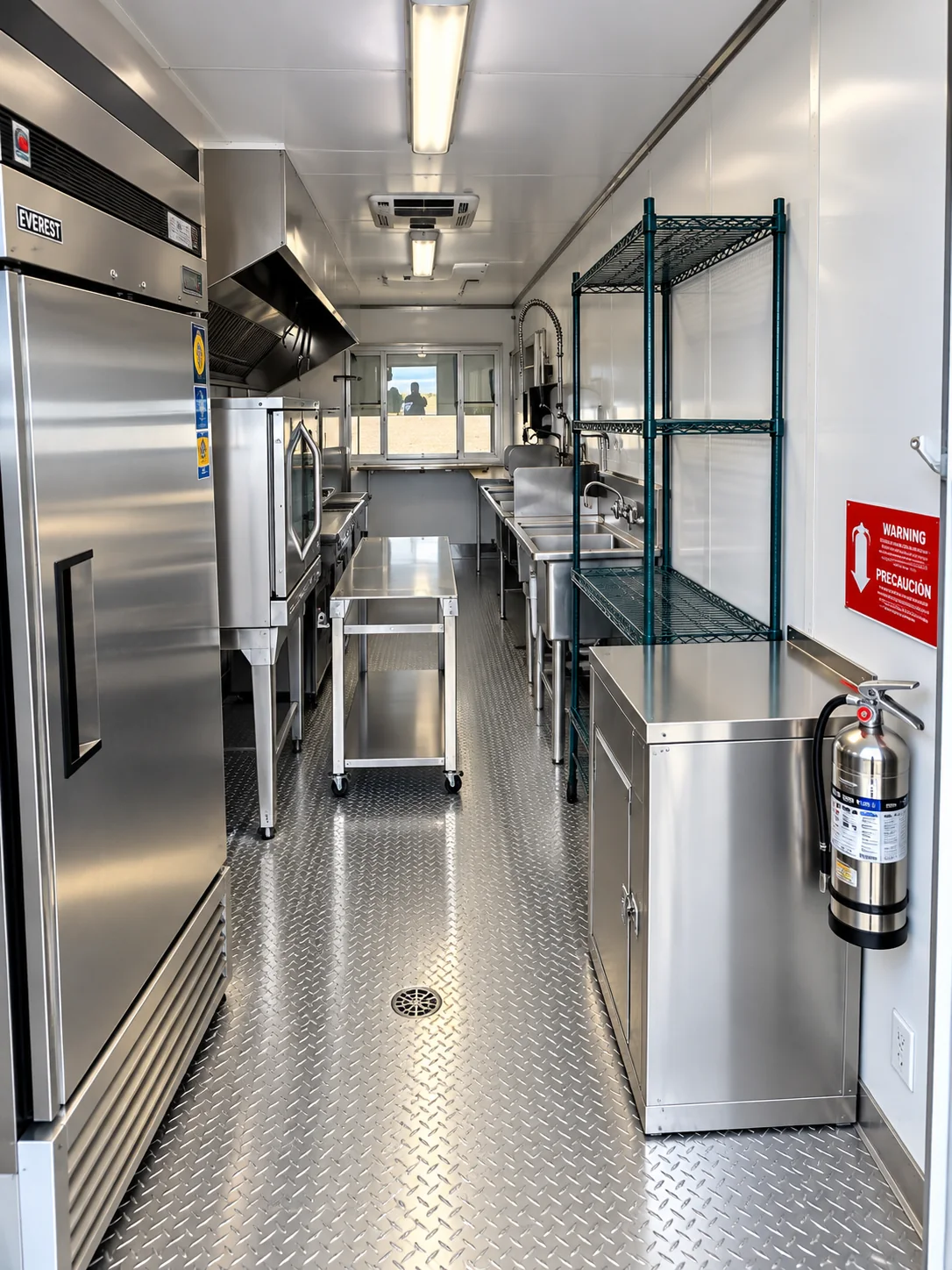
- Compare trailer, modular and support-unit layouts against delivery access and the approved site plan.
Information to collect first
- Current and reduced meal counts, service windows and menu requirements.
- Equipment that remains safe and available after the incident assessment.
- Site access, electrical service, fuel, water, wastewater and grease handling.
- Required approvals from the authority having jurisdiction and the organization’s insurer.
- A realistic restoration schedule with contingencies for inspection or construction delays.
Questions for the temporary-facility team
Ask which configuration supports the menu, how utility loads are documented, what the site must provide and which installation tasks depend on local contractors. Confirm transport, setup, rental or lease terms and demobilization in a written proposal.